A boundary fence does more than mark where one property ends and another begins. It shapes first impressions, supports privacy, guides movement, and adds a quiet sense of control to a space. The challenge is finding the right balance: a fence should feel strong and protective without making a home, business, or rural property look harsh, closed off, or overbuilt.
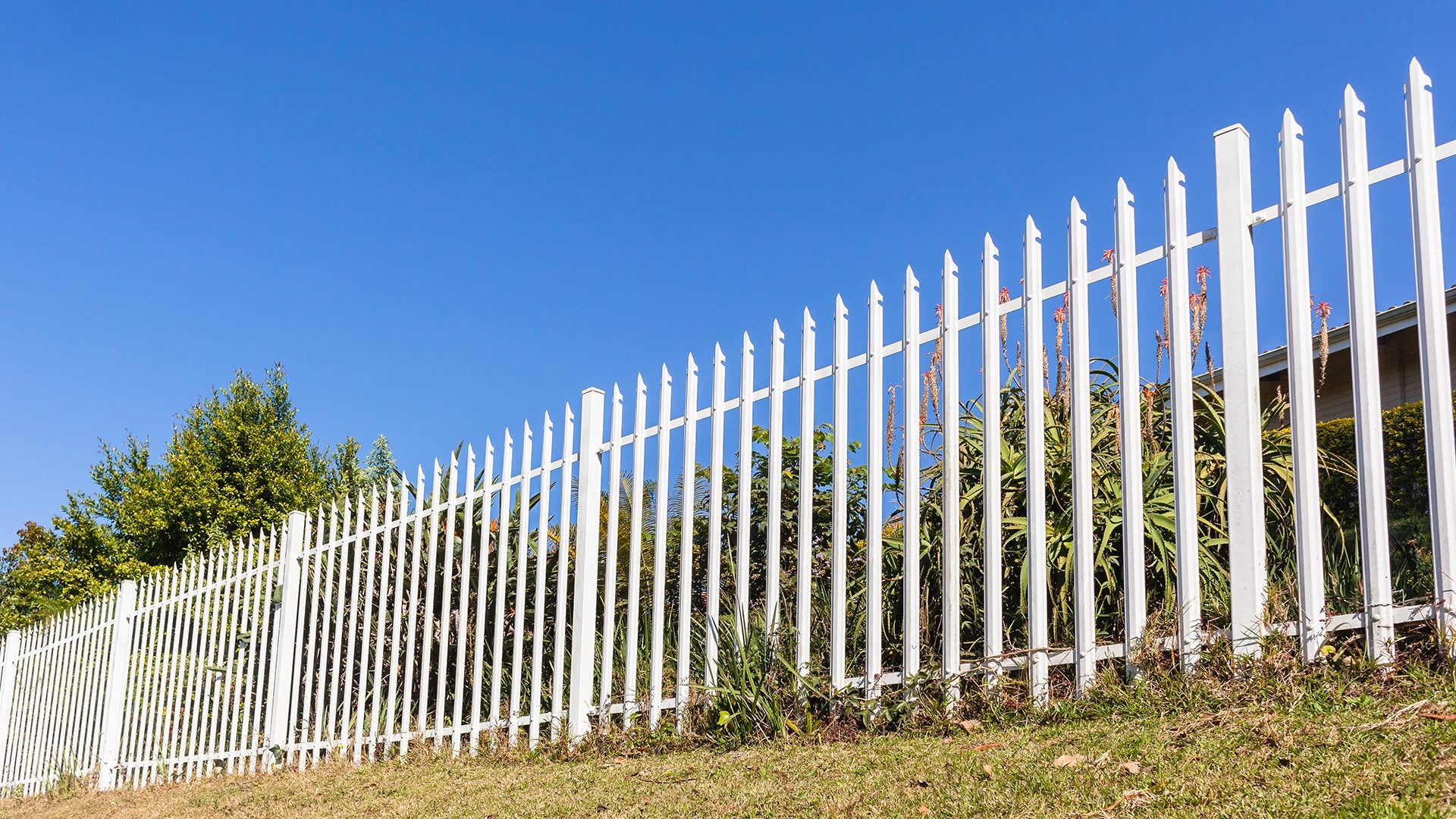
That balance often starts with choosing a fencing style that suits both the site and its purpose. For properties needing clear perimeter protection, palisade fencing can offer a strong, visible deterrent while still maintaining an open, structured appearance. Rather than creating a solid wall, it provides security through height, spacing, and robust materials, which can make a boundary feel protected without overwhelming the landscape.
Security Is About Perception as Much as Strength
A secure fence doesn’t always need to be bulky. In many cases, the feeling of safety comes from thoughtful design rather than sheer mass. Height, visibility, material strength, gate placement, and the way the fence connects with the broader property all influence how secure it feels.
A fence that’s too low may feel decorative rather than protective. One that’s too solid or imposing can make a property appear defensive or unwelcoming. The ideal boundary fence sits between these extremes. It communicates that the property’s cared for, clearly defined, and not easily accessed, without turning the site into something that feels industrial or fortress-like.
This is especially important for homes, schools, commercial premises, lifestyle properties, and public-facing businesses. The fence needs to do its job, but it should also sit comfortably within its surroundings.
Height Matters, But Proportion Matters More
Fence height is one of the most obvious security features, yet taller isn’t always better. A fence that towers over a small frontage can look heavy and out of place. A fence that’s proportionate to the building, driveway, garden, or surrounding land tends to feel more considered.
For residential properties, the right height often depends on the level of privacy required, street exposure, and local regulations. For commercial or rural sites, height may be more directly tied to access control and asset protection. In both cases, proportion is key. A well-scaled fence feels intentional; an oversized one can feel like a reaction to a problem.
The best results usually come from looking at the whole site, not just the boundary line. A fence should relate to the size of the property, the architecture, the surrounding streetscape, and the practical security risks.
Visibility Can Improve Safety
It may seem counterintuitive, but a fence that allows some visibility can often feel more secure than a completely solid barrier. Open-style fencing makes it harder for unwanted activity to be hidden from view. It also allows occupants, neighbours, staff, or passers-by to see what’s happening around the perimeter.
Solid fencing has its place, especially where privacy, noise reduction, or screening is needed. But for many properties, partial visibility creates a stronger sense of passive surveillance. This is one reason vertical-bar and open-profile designs are commonly used for secure boundaries. They create a clear barrier without fully blocking sightlines.
Visibility also helps a property feel less shut off. A fence can be firm without being hostile, especially when paired with landscaping, clean lines, and well-designed entry points.
Materials Should Feel Durable, Not Excessive
The materials used in a boundary fence send a strong message. Lightweight or poorly finished materials can make a property feel under-protected. Overly heavy materials can make the same property feel closed in.
Steel, aluminium, timber, masonry, and composite materials can all work well when chosen for the right setting. The goal is to select materials that feel durable and appropriate. For example, steel fencing can provide strength and longevity, while powder-coated finishes help soften the look and tie the fence into the property’s colour palette.
A secure fence should also age well. Rust, warping, loose panels, and sagging gates quickly undermine both appearance and performance. Good materials, proper installation, and ongoing maintenance all contribute to a fence that continues to feel secure over time.
Gates Are Often the Weak Point
A boundary fence is only as effective as its access points. Gates should feel just as considered as the fence itself. A strong fence paired with a flimsy gate creates an obvious weakness, both visually and practically.
The gate should align with the fence height, material, and style. Hinges, locks, latches, tracks, and automation systems need to be suitable for the size and use of the entry. On commercial and rural properties, vehicle access may need extra planning to support security without creating daily inconvenience.
A well-designed gate also improves the overall look of the boundary. It provides a clear point of entry, helps organise movement, and reinforces the sense that the property’s managed and protected.
Landscaping Can Soften the Boundary
One of the easiest ways to prevent a secure fence from looking overbuilt is to integrate it with landscaping. Planting can soften hard lines, add visual depth, and help the fence feel like part of the property rather than a separate structure.
Low-maintenance shrubs, native grasses, hedging, or climbing plants can all work, depending on the fence type and site conditions. The key is not to compromise security. Dense planting near access points, windows, or blind corners can create hiding places. Thoughtful landscaping should enhance the fence while keeping sightlines clear where they matter.
Lighting can also help. Subtle, well-placed lighting around gates, paths, and entrances makes a boundary feel safer without making it look severe.
A Secure Fence Should Suit the Property’s Purpose
The right fence for a family home won’t necessarily suit a warehouse, school, acreage block, or public facility. Each property has different risks, access patterns, privacy needs, and aesthetic expectations.
A secure boundary fence feels right when it responds to those needs clearly. It shouldn’t look like a generic security measure dropped onto the site. It should feel connected to the property’s use, architecture, and daily routines.
The most effective fences are rarely the loudest. They’re well-proportioned, durable, properly installed, and easy to use. They make the boundary obvious, the entry points controlled, and the property feel cared for. That’s what creates security without the heavy-handed look.